

Mesothelioma - A Rare Asbestos Disease
Mesothelioma is a rare cancer that occurs in the inner organs' linings which is most often the lung (pleura) and less often the abdomen (peritoneum). Exposure to asbestos can result in an increased risk of developing this disease.
The most significant risk factor for mesothelioma involves exposure to asbestos, which is a non-flammable and heat-resistant fiber. Symptoms may not appear for years after exposure.
Symptoms
Mesothelioma is a form of cancer that forms in the tissues that line the stomach, lungs, and the heart. It is usually caused when asbestos fibers inhale and are absorbed into the organ lining. People most likely to have this condition are those who worked around asbestos, such as miners, plumbers, carpenters and welders. It is also seen in people who lived with asbestos-related workers who brought it home on their clothes or their skin. Other people at risk are those who work in a household where asbestos is present and those who disturb asbestos during renovations to their homes or maintenance.
There are four stages of mesothelioma. Early and mid-stages may not show any symptoms and it could take years before they're diagnosed. When they are diagnosed, the cancer is more advanced and difficult to treat.
The signs of mesothelioma do not usually appear until decades after exposure. The condition can take many years to develop because asbestos fibers need to travel from the lungs to different parts of the body before they can cause mesothelioma. The lining of the lungs is the most frequent site where mesothelioma starts however it could start in the linings of the heart or stomach. It may also be found in the linings of the reproductive organs.
A biopsy of the affected area is the most effective way to help a doctor diagnose mesothelioma. The biopsy is examined under a microscope in order to determine if the cells are of mesothelioma or another type.
Doctors may also request x-rays, CT scans or MRI to help identify the problem and determine if there is an abnormality, a thickening of the lining within the abdomen or chest and fluid in the chest cavity. They can also request a lung function test to determine how well the lungs of a patient are functioning.
A misdiagnosis of mesothelioma could be detrimental because it can delay the beginning of treatment that could improve the prognosis of a patient. This is why it is important to see a doctor whenever you notice any signs. A GP can assess the symptoms and examine a patient's asbestos exposure history.
Diagnosis
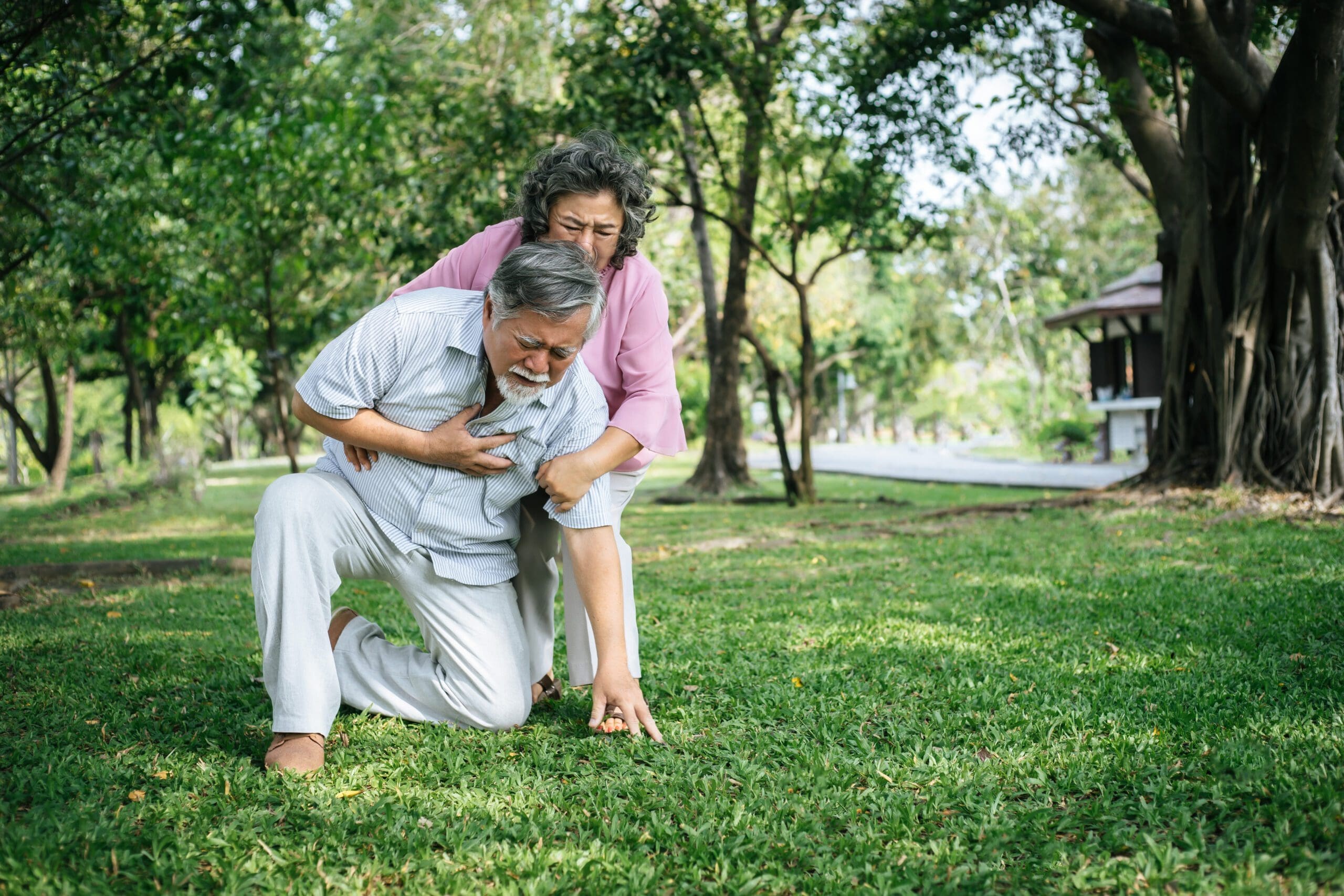
Mesothelioma is a type of cancer that develops in the mesothelium. The mesothelium covers a variety of internal organs in the body, including the abdominal cavity and the chest cavity. Pleural mesothelioma can affect the outer layer (pleura) of the lungs. Less commonly, mesothelioma can occur in the membrane that runs along the abdomen (peritoneum) or the heart sac (pericardium), and very rarely, it can develop in the testicles (tunica vaginalis mesothelioma or tunica vaginalis testicular mesothelioma).
A doctor can diagnose mesothelioma by taking a tissue sample for imaging or biopsy tests. The doctor can determine the severity of mesothelioma, which is an indication of how invasive and likely to grow.
The most significant mesothelioma-related risk factor is exposure to asbestos. Asbestos is a naturally-occurring thermal, fire-resistant and heat-resistant fiber that was employed in manufacturing and construction until the late 1970s. The people who worked in jobs such as asbestos mining or milling, pipefitters, insulators plumbers, as well as those who renovated older homes are at greater risk than other people of developing mesothelioma.
Inhaling the microscopic asbestos fibers could cause mesothelioma. These fibers can be stuck in the lungs, which can cause inflammation and scarring. Asbestos exposure may also increase a person's chances of smoking, which could further increase the risk for mesothelioma.
The risk of mesothelioma increasing as time passes in asbestos exposure. Mesothelioma is most common in those who have been exposed to asbestos in high concentrations.
Some risk factors can be modified like the age of a person, or whether they smoke. However, Miramar asbestos lawsuit of mesothelioma risk is due to asbestos exposure. Certain risk factors can't be changed like a person's family history or genetics. Mesothelioma risks are also increased if they suffer from certain health conditions or illnesses like heart disease or diabetes.
Treatment
Mesothelioma affects the mesothelium that connects the lungs and abdomen. People who have been exposed to asbestos are at risk of developing mesothelioma. The disease usually develops decades after asbestos exposure. It can be difficult to recognize, as symptoms are often similar to other conditions and may change. Those diagnosed with mesothelioma can receive compensation via lawsuits or trust funds.
There is no cure for mesothelioma, but there are treatment options to manage the disease and improve your quality of life. Patients should consult with doctors who are skilled in treating the disease. Doctors will look over the medical history of the patient to look for signs and possible mesothelioma risk factors, including asbestos exposure.
Exposure to asbestos is the main cause mesothelioma. It usually occurs due to breathing asbestos fibers, which are tiny and are floating in the air. These fibers can get stuck in the lungs, leading to genetic mutations that can cause cancer. Pleural mesothelioma is a cancer that affects the lining of the lung and is the most commonly diagnosed mesothelioma. However, it can be found in the lining of the chest wall (pericardium), abdomen and testicles (peritoneal mesothelioma).
Like all cancers, mesothelioma is caused by the DNA of a cell experiencing mutations. These mutations cause the cell to expand in uncontrolled ways and eventually result in an increase in the size of the tumor. Men over 75 years old and veterans of the U.S. armed forces are most likely to develop mesothelioma.
There are several mesothelioma types and each one has a different survival rate. Patients should be aware that mesothelioma is a serious one and is a difficult one to treat. There is hope, though as research continues to make advancements in extending the duration of survival. Additionally, those who suffer from mesothelioma should be aware that they could be eligible for benefits from the VA.
Prevention
Mesothelioma is a rare disease that is largely avoidable. Asbestos is a natural mineral that was previously used extensively in shipbuilding, construction and other industries due to its unique properties of durability, strength as well as heat insulation and fire resistance. The microscopic asbestos fibers become airborne if disturbed and can cause serious health conditions like mesothelioma if inhaled.
Asbestos is the only method to stay clear of mesothelioma. Asbestos is the main cause of mesothelioma. Most people who are diagnosed with the condition have been exposed to it at some time or another. Smoking, age, and genes can also increase the risk of mesothelioma.
The majority of mesothelioma cases affect the lung (tummy) and lungs. Rarely, mesothelioma can develop in other areas of the body. Mesothelioma can take several years to develop and may not show up until 20 or 40 years following asbestos exposure. It is essential that those who have been exposed to asbestos regularly consult their doctor if they're experiencing any unusual symptoms, including breathlessness and coughing.
Symptoms of asbestosis include tightness in the chest, persistent coughing and a bluish appearance of the skin because the body is battling to get enough oxygen. Inhaling asbestos fibers can irritate the lungs, leading to scarring, which is known as fibrosis. This could cause fluid to build up in the lungs, as well as other body parts including the heart. Inflammation can also trigger genetic changes, which could cause cancerous growth in the lungs.
Asbestosis is not curable, but there are treatments that can help manage symptoms. These treatments can improve the quality of breathing and quality of life for patients.
Mesothelioma is most often found in the lungs and tummy but it can also affect the stomach, heart and testicles. There is no way to avoid mesothelioma. However there are ways to decrease the risk. It is important to be aware of asbestos in their workplace and inquire with their employer about the safety guidelines they must follow. Wearing protective gear and washing work clothes away from home is a good idea so that asbestos fibers are not brought home on the clothing of family members.